

HPLC & GC Columns
1. Choose columns based on functions:
Normal phase: solvent soluble solutions
Reverse phase: hydrocarbon soluble solutions
Ion-exchange: separate monosaccharides
Size-exclusion: separate proteins and carbohydrates
2. Diameter x Length vs Pressure:
Shorter and wider columns cut analysis time and require less pressure to move the mobile phase.
Longer and narrower columns provide higher resolution and more sensitive results. They require less samples for analysis but a higher pressure.
...continue reading below the images


-
-

-
- Manufacturers: Trajan
- Brand: SGE SilTite™
- SECO Part No: 073226
- Sold As: 5/Pack
- Manufacturer Part No: 073226
-
Availability:

- Minimum order quantity: 1
- Qty. Interval: 1
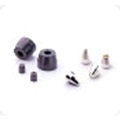
SGE SilTite™ 073226
Replacement Nut, Metal, For Split/Splitless I More...
-
Login to View Your Price
List Price :
-
Add to cart
-
-
-
-
- Manufacturers: MilliporeSigma
- Brand: MilliporeSigma
- SECO Part No: SA-53570-U
- Manufacturer Part No: 53570-U
-
Availability:
- Minimum order quantity: 1
- Qty. Interval: 1
MilliporeSigma 53570-U
Sigma Aldrich Ascentis® Express 90 Å PFAS, (2 More...
-
Login to View Your Price
List Price :
-
Add to cart
-
-
-
-
- Manufacturers: Hamilton®
- Brand: Hamilton®
- SECO Part No: 17-1132-11
- Sold As: Each
- Manufacturer Part No: 79439
-
Availability:
- Minimum order quantity: 1
- Qty. Interval: 1
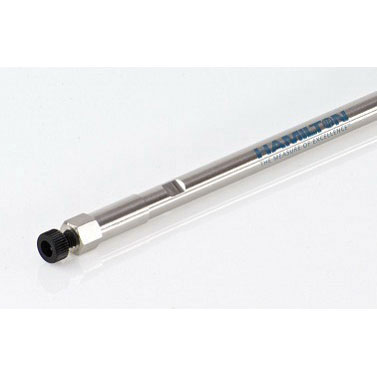
Hamilton® 79439
HPLC Column, 10 µm, 4.1 ID x 100 mm L, More...
-
Login to View Your Price
List Price :
-
Add to cart
-
-
-
-
- Manufacturers: Hamilton®
- Brand: Hamilton®
- SECO Part No: 17-1130-45
- Sold As: Each
- Manufacturer Part No: 79477
-
Availability:
- Minimum order quantity: 1
- Qty. Interval: 1
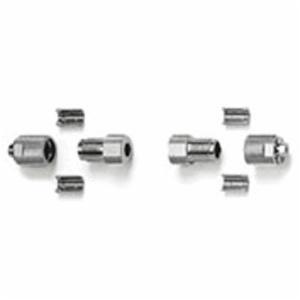
Hamilton® 79477
Guard Cartridge Holder, Analytical Column Siz More...
-
Login to View Your Price
List Price :
-
Add to cart
-
-
-
-
- Manufacturers: Hamilton®
- Brand: Hamilton®
- SECO Part No: 17-1132-27
- Sold As: 1 Holder, 2 Cartridge
- Manufacturer Part No: 79383
-
Availability:
- Minimum order quantity: 1
- Qty. Interval: 1
Hamilton® 79383
Analytical Guard Cartridge Starter Kit, 10 &m More...
-
Login to View Your Price
List Price :
-
Add to cart
-
-
-
-
- Manufacturers: MilliporeSigma
- Brand: Manu-CART®
- SECO Part No: 1.51486.0001
- Sold As: 1 Unit
- Manufacturer Part No: 1514860001
-
Availability:
- Minimum order quantity: 1
- Qty. Interval: 1
Manu-CART® 1514860001
NT Cartridge Holder, For 2, 3, 4 and 4.6 mm I More...
-
Login to View Your Price
List Price :
-
Add to cart
-
-
-
-
- Manufacturers: MilliporeSigma
- Brand: MilliporeSigma
- SECO Part No: SA-581300-U
- Manufacturer Part No: 581300-U
-
Availability:
- Minimum order quantity: 1
- Qty. Interval: 1
MilliporeSigma 581300-U
Sigma Aldrich Ascentis® C18 (3 µm) HPLC colum More...
-
Login to View Your Price
List Price :
-
Add to cart
-
-
-
-
- Manufacturers: Hamilton®
- Brand: Hamilton®
- SECO Part No: 17-1135-10
- Sold As: Each
- Manufacturer Part No: 79436
-
Availability:
- Minimum order quantity: 1
- Qty. Interval: 1
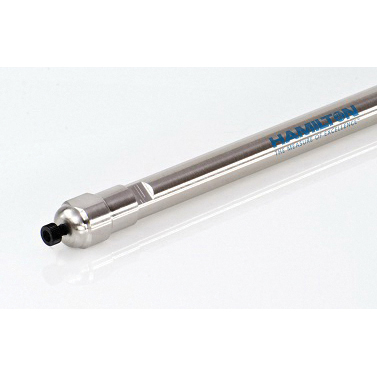
Hamilton® 79436
HPLC Column, 9 µm, 7.8 ID x 305 mm L, S More...
-
Login to View Your Price
List Price :
-
Add to cart
-
-
-
-
- Manufacturers: Trajan
- Brand: SGE
- SECO Part No: 054085
- Manufacturer Part No: 054085
-
Availability:
- Minimum order quantity: 1
- Qty. Interval: 1
SGE 054085
GC Column, 0.32 mm ID x 60 m L, Fused Silica More...
-
Login to View Your Price
List Price :
-
Add to cart
-
-
-
-
- Manufacturers: Hamilton®
- Brand: Hamilton®
- SECO Part No: 17-1130-13
- Sold As: Each
- Manufacturer Part No: 79443
-
Availability:
- Minimum order quantity: 1
- Qty. Interval: 1
Hamilton® 79443
HPLC Column, 5 µm, 4.1 ID x 50 mm L, St More...
-
Login to View Your Price
List Price :
-
Add to cart
-
-
-
-
- Manufacturers: Trajan
- Brand: SGE
- SECO Part No: 062448
- Sold As: 1/Pack
- Manufacturer Part No: 062448
-
Availability:
- Minimum order quantity: 1
- Qty. Interval: 1
SGE 062448
Capillary Tubing, 5 m L, 0.53 ID x 0.68 mm OD More...
-
Login to View Your Price
List Price :
-
Add to cart
-
-
-
-
- Manufacturers: MilliporeSigma
- Brand: MilliporeSigma
- SECO Part No: SA-57022
- Manufacturer Part No: 57022
-
Availability:
- Minimum order quantity: 1
- Qty. Interval: 1
MilliporeSigma 57022
MilliporeSigma, Empty SPE Tube (no frits), vo More...
-
Login to View Your Price
List Price :
-
Add to cart
-







3. Column Material:
Stainless steel is the material of choice for packed columns in high pressure (HPLC) analysis
Capillary columns are much thinner because the stationary phase is chemically bonded to their inner wall coating.
We recommend wall-coated open tubular (WCOT) capillary columns with fused silica lining tubes for gas chromatography (CG). Because of their superior strength and flexibility.
Having trouble finding something (from us or another supplier)?
We have 80+ year relationships with many of your preferred manufacturers. Which means you get realistic and honest ETAs on product availability.
If the supply chain doesn't work with your timeline, we can find good alternatives that fit your need. So you don't have to waste time searching.